Switzerland

Immigrating to Switzerland within its quotas and rules

Swiss permits are decided canton by canton, and for many applicants are limited by annual quotas.

  • Work permits for non-EU nationals are subject to annual quotas
  • The canton plays a decisive role in the outcome
  • The employer usually has to justify the hire
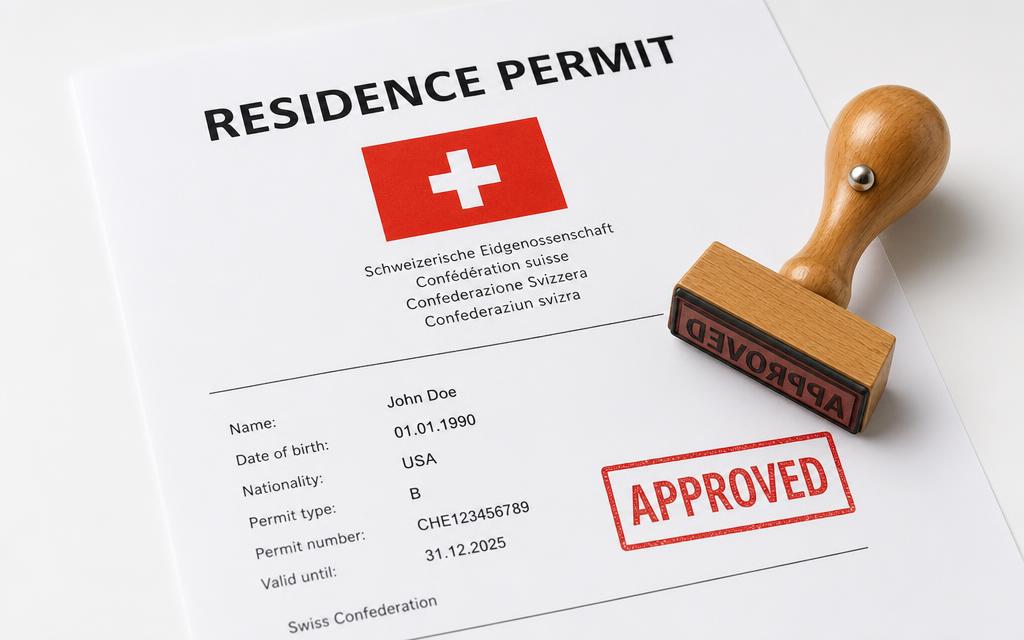
Swiss residence permit document with an approved rubber stamp

Visa routes to Switzerland

Every route has its own eligibility rules. Use these summaries to know which official pages are worth your time.

Work Permit (Non-EU)

Best for: Specialists whose employer secures a quota slot

EU/EFTA Route

Best for: Citizens covered by the free movement agreement

Student Permit

Best for: Students accepted at a Swiss institution

Family Reunification

Best for: Family members of permit holders and citizens

What to know before you apply

Switzerland has a dual immigration system: EU and EFTA citizens benefit from free movement, while non-EU nationals face quotas and stricter requirements. Most permits are tied to a specific purpose such as work, study or family.

  • EU and EFTA citizens move under free movement with fewer restrictions.
  • Non-EU workers need quotas and a labour-market test.
  • B permits are long-term; L permits are short-term.
  • Register with your cantonal migration office immediately after arrival.
Read the Switzerland guide

Frequently asked questions about immigrating to Switzerland

Can I move to Switzerland without a job offer?
EU citizens can look for work for a limited period. Non-EU nationals generally need a job offer and a quota permit before moving.
How long does it take to get a Swiss work permit?
It depends on the canton, nationality and quota situation. Non-EU applications can take several months because of quota and labour-market checks.
Can I bring my family?
Yes, B permit holders can usually bring spouses and dependent children, provided they have adequate accommodation and income.

Free download

Visa document checklist

Every document you may be asked for across 11 destination countries — with occasional updates when rules, fees or processing times change.

  • Document checklists for work, study and family visas
  • How requirements differ from country to country
  • Translation, apostille and proof-of-funds notes

No spam, unsubscribe any time. We never share your email.

Compare other countries