Non-immigrant versus immigrant visas
Non-immigrant visas (H-1B, L-1, O-1, F-1, J-1, B-1/B-2) are temporary and tied to a purpose: a job, a transfer, a degree, an exchange or a visit. Immigrant visas lead directly to a green card, meaning permanent residence.
The practical difference is intent. On most non-immigrant visas the consular officer assumes you plan to leave and you must convince them of it; on an immigrant visa the opposite is true.
Employer-sponsored work visas
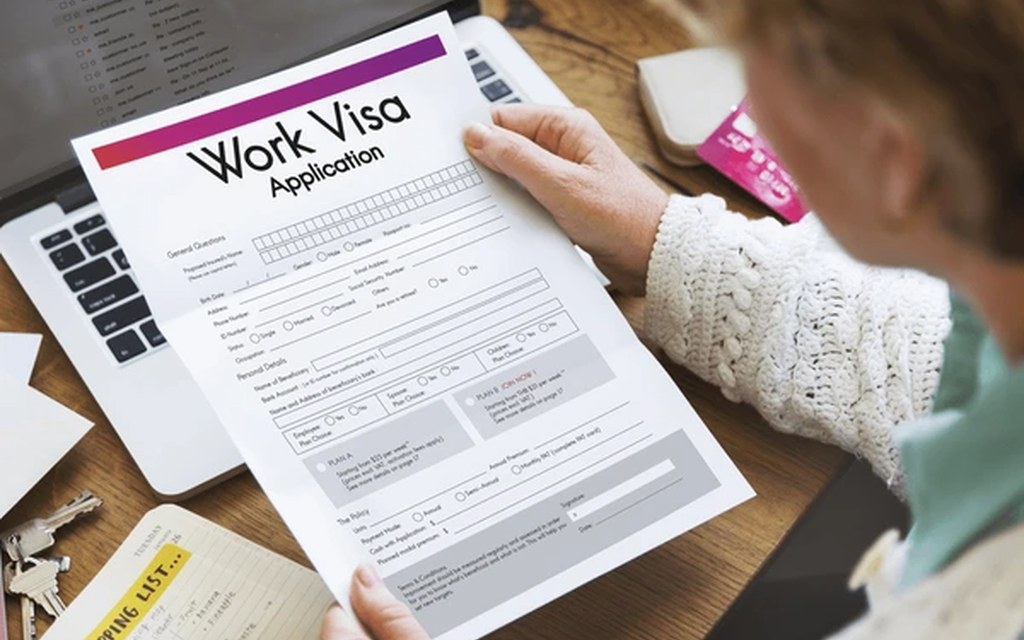
The H-1B is the main specialty-occupation visa: it requires a bachelor's degree or equivalent, a sponsoring employer, a certified labour condition application and selection in the annual electronic registration when demand exceeds the cap.
Other routes avoid the lottery: L-1 for intra-company transfers after a year abroad with the same group, O-1 for people with documented extraordinary achievement, E-2 for treaty investors, TN for Canadians and Mexicans, and H-2A/H-2B for seasonal agricultural and non-agricultural work.
Studying in the USA
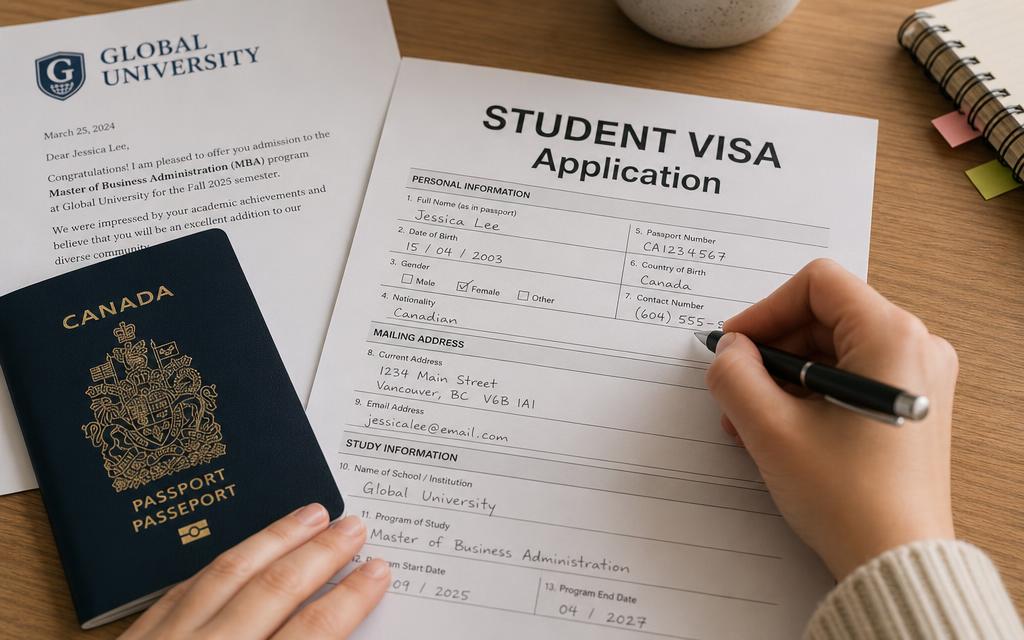
Admission comes first: apply to an SEVP-certified school, receive an I-20, pay the SEVIS fee and then book the F-1 interview. You must show funding for the first year and credible plans for the rest.
F-1 students may work on campus and, after the first academic year, apply for practical training — CPT during studies and OPT after graduation, with up to 36 months for STEM degrees. OPT is how many international graduates reach an H-1B sponsor.
Green-card routes
Family-based petitions (spouse, parent, child, sibling of a US citizen or permanent resident) are the largest category; waiting times depend on the relationship and country of birth and are published monthly in the Visa Bulletin.
Employment-based categories run from EB-1 (extraordinary ability, outstanding researchers, multinational managers) through EB-2 (advanced degrees, including the national-interest waiver that needs no employer) and EB-3 (skilled workers) to EB-5 (investors).
The diversity visa lottery
The DV programme grants around 55,000 immigrant visas a year to nationals of under-represented countries, including Morocco, Algeria, Tunisia, Egypt and most of sub-Saharan Africa. Registration is free and only through the official State Department site during the announced window.
You need a high-school diploma or two years of qualifying work experience, one photo meeting exact specifications, and patience: selection is not a visa, it only allows you to file a case that is then processed to the annual limit.
Documents and the consular interview
Prepare a passport valid at least six months beyond entry, the DS-160 or DS-260 confirmation, appointment and fee receipts, photographs to US specification, civil-status documents, police certificates for immigrant visas, and the panel-physician medical exam.
Interviews are short. Officers test consistency: who pays, why this school or employer, what you will do afterwards. Answer briefly, bring the supporting file, and never present a document you cannot explain.
Costs, timelines and after arrival
Budget the visa fee, SEVIS or petition fees where applicable, the medical exam, translations, travel to the consulate and, for immigrant visas, the USCIS immigrant fee. Employer-sponsored petitions are paid by the employer.
Timelines vary widely: an F-1 can be done in two to three months, an H-1B follows the annual cycle, and family or employment green cards can take one to many years depending on category and country backlog. After arrival, apply for a Social Security number, keep your status documents current, and note that permanent residents can normally naturalise after five years, or three when married to a citizen.
If you are applying from Morocco, North Africa, Africa or the Middle East
- Applicants in Morocco interview at the consulate in Casablanca; in the wider region the queue for appointment slots is usually the longest single delay, so complete the DS-160 early.
- Diversity-lottery scams are widespread on social media in North Africa and West Africa — registration is free, there is no paid 'guaranteed' entry, and no agent can influence selection.
- Refusals under section 214(b) mean the officer was not convinced you would return home; they are not permanent, and a stronger file with clearer ties can succeed on reapplication.
- Arabic and French civil-status documents need certified English translations; keep several stamped originals, because you will need them again for the green-card stage.
Frequently asked questions
- Can I move to the USA without an employer?
- Yes, through the diversity lottery, a family petition, an EB-2 national-interest waiver, an EB-1 extraordinary-ability case, or as a student who later finds sponsorship.
- Is the H-1B lottery the only work route?
- No. L-1 transfers, O-1, E-2 investor visas, and cap-exempt H-1B jobs at universities and research institutions are outside the lottery.
- How much money do I need for an F-1 visa?
- Enough to cover the first year of tuition and living costs as stated on your I-20, documented with bank statements or a sponsor's affidavit of support.
- Does a tourist visa let me look for work?
- No. You may attend interviews, but working or being paid in the US on B-1/B-2 status is a violation that jeopardises future applications.
- How long until citizenship?
- Normally five years of permanent residence, or three years if married to and living with a US citizen, plus residence, language and civics requirements.
Not sure which route fits you?
Answer a few questions and we will point you to the work, study or immigration guides that match your situation.